




Medical SEO: what Google reads when a patient searches for a specialty
Medical SEO means making a clinic's pages easy to find in Google for what patients search: a specialty, a test, a symptom or a doctor.
Unlike SEO for an online shop, patients search close to where they are and want to know quickly who, where and when. A well-written article doesn't help if the page explaining how to book is missing.
Ads bring appointments within days. SEO brings them more slowly, over months, but it doesn't disappear when the budget stops. We start from the list of specialties and the questions patients search for, and the specialties with an empty schedule come first.
SEO takes months of work and does not guarantee a position in Google.
- Specialty pageEvery specialty you want to fill gets its own page: what is treated or examined, what the first visit looks like, which doctors do it, roughly what it costs (when the clinic publishes prices) and how to book. We write it together with your doctors.
- Doctor pageName, specialty, qualifications, where they see patients. Patients also search by the doctor's name, and the page helps Google connect the doctor to the clinic.
- Symptom and question searchesPeople type "when should I get an ultrasound" or "what tests do I need for my thyroid", not the name of a clinic. We answer these questions on pages written with your doctors, linking to the right service.
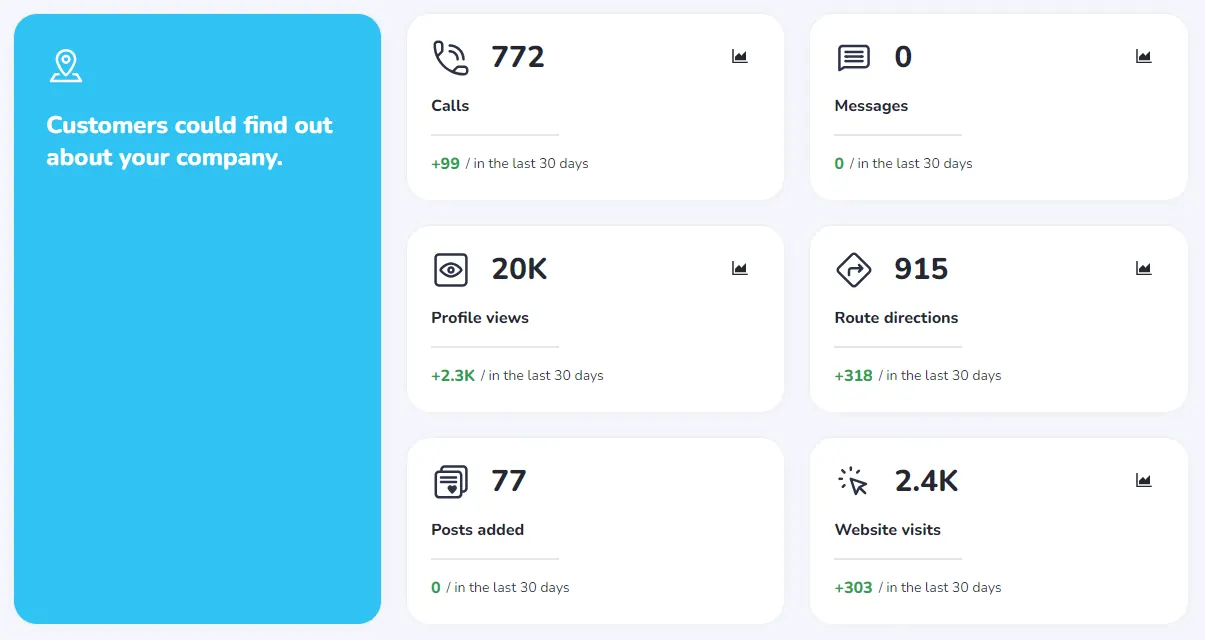
- City and area searches"Cardiologist near me" is settled mostly in Google Maps, not on your website. That is why medical SEO goes together with the clinic's Google profile, described below.
- Technical sidePages that load fast on a phone, no errors Google can see, contact details and opening hours identical on the website and in the Google profile, plus structured data for the clinic and its doctors.
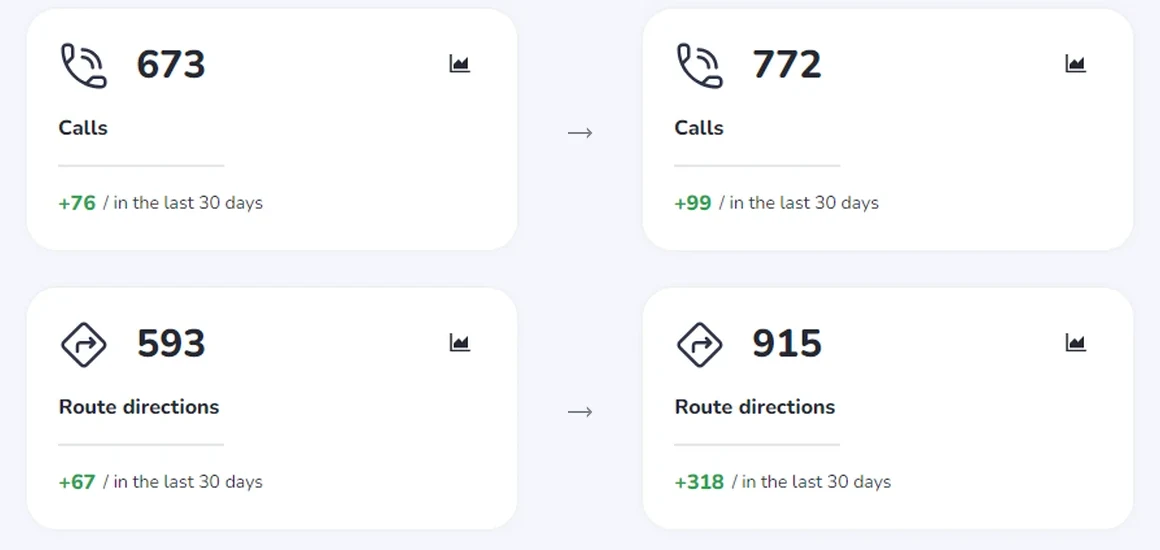
- MeasurementWe track visits, calls and direction requests by specialty, so the report starts with appointments, not Google positions.