A name and its logo
Bursa Forajelor, our own project
The logo: a drill rig boring through water layers to a drop, beside a two-tone wordmark.

100 to 200 virtual consumers, tuned to your audience, argue over your name, ad or price. You get the verdict before you spend.
Example runYour ad · A vs B
100 consumers tuned to your audience, debating
VerdictRun B, cut the launch price by 12% and lead with the guarantee.
Name A or B, ad A or B, your offer or a competitor's. You get a score and the reasons behind it, for anything your audience can read, watch or compare online.
In your customers' own words, before launch day finds them for you.
The point where “interesting” turns into “too expensive”, measured on your audience rather than an average one.
Of everything you say, the one promise your audience remembers. That one becomes your headline.
100 to 200
virtual consumers
per run, instead of a handful of people in a room with free sandwiches
10 to 20
rounds of debate
before the verdict
24 to 72
hours
from your brief to the report
Source: the settings of a standard SimulatOR run
Anything people can read, watch or compare online. To show the kind of material, here are four pieces we made.
A name and its logo
The logo: a drill rig boring through water layers to a drop, beside a two-tone wordmark.
A campaign idea
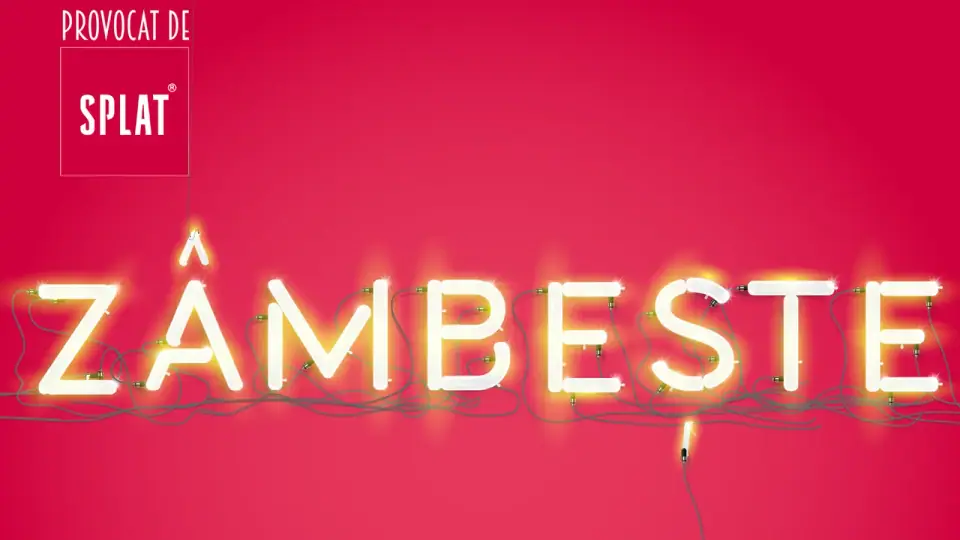
The key visual: neon letters spell ZÂMBESTE, Romanian for smile.
An offer page
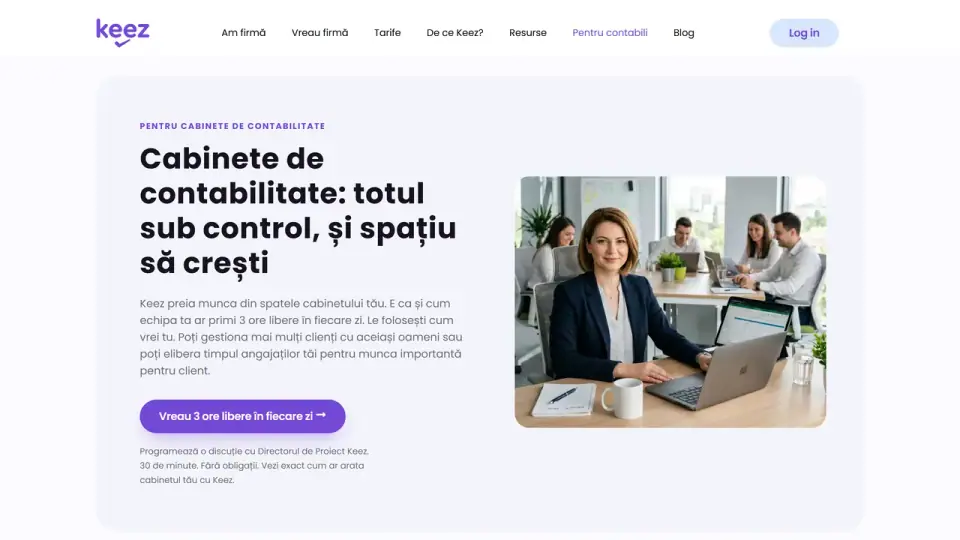
The hero of the page for accounting firms, live on keez.ro.
An ad and its message
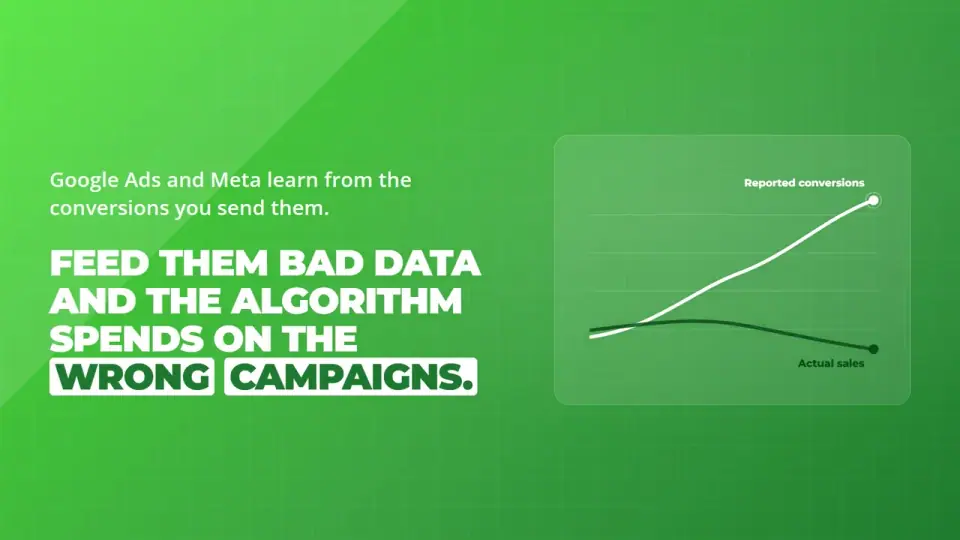
Bad data sends ad spend to the wrong campaigns.
Two of them are free.
Free · NGOs
You're working for a cause. The least we can do is check that your campaign works before you spend donor money on it. Free, no strings.
Free · businesses
We run it for free if you launch and show us your real numbers 60 days later. Your market result calibrates the engine, so you pay in data instead of money.
Paid
If neither fits, the simulation is a paid service. Tell us the decision in front of you and we send a fixed price before anything starts.
Anything people can read, watch or compare online: names, prices and willingness to pay, ads and messages, a new idea, your offer against a competitor, how your brand comes across.
Taste, smell, touch and texture. Simulated consumers don't taste your product or feel your fabric. If your question is about the senses, it's the wrong tool, and we'll tell you before you pay.
A survey asks each person once, and one question to an AI gets you one voice. In a run, 100 to 200 personas with different profiles, budgets and opinions argue over 10 to 20 rounds. Opinions shift as they go, and the objections that survive the debate are the ones in your report.
The report comes in 24 to 72 hours.
It won't guarantee the outcome, and no research can. It shows you which version holds up when people like your buyers argue about it, and why. That is also why the free business run asks for your real numbers 60 days after launch: we compare them with what the run predicted, and every comparison calibrates the engine.
Tell us what you're choosing between and when you launch. We'll tell you which of the three routes fits.
Rather call? +40 724 242 442
A few lines is enough. We reply with two time options for a 20-minute call.
What happens next
Rather talk now? Call +40 724 242 442